Posted in:

Mugello: Tuscany’s New Home of Mountain Wine

Publication Date  Thursday, July 2, 2026

When one thinks of Tuscany’s wine region, the rows of vines in Chianti, the hills of Montalcino, and the vineyards of Bolgheri immediately come to mind. Yet, far from the spotlight of the most famous appellations, Mugello is quietly rising in prominence on the regional wine scene.

Historically a land of forests, pastures, and chestnuts, this Apennine valley north of Florence offers ideal conditions for high-quality viticulture. The marked temperature fluctuations between day and night, combined with constant breezes, favor the production of elegant and refined wines, characterized by a freshness and lively acidity that are increasingly rare in many other wine-growing regions.
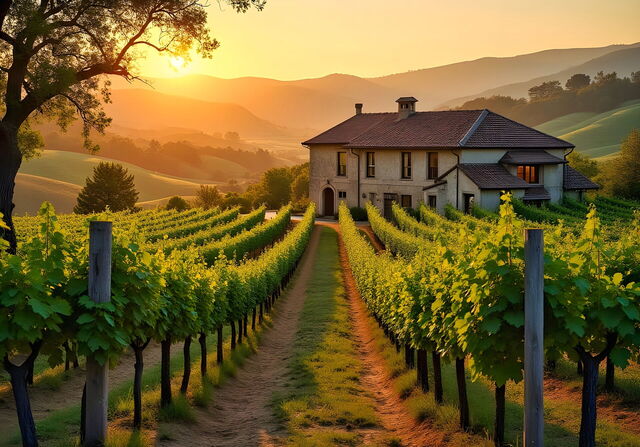
Vineyard

The Mugello Terroir: Climate, Altitude, and Viticulture

In Mugello, wine quality is closely linked to the terroir. Altitude, soil types, and varying exposures create highly variable conditions even just a few kilometers apart. This diversity makes Mugello a particularly interesting area for mountain viticulture in Tuscany, especially for the production of fresh, vertical wines.

Climate change is increasingly affecting local and regional viticulture. Against this backdrop, there is growing interest in grape varieties that are better suited to cool, breezy climates, such as Pinot Noir, which can express great elegance and aromatic finesse in hilly and mid-mountain environments. This results in wines with a lighter, more taut profile, featuring good acidity and clean aromatic notes.

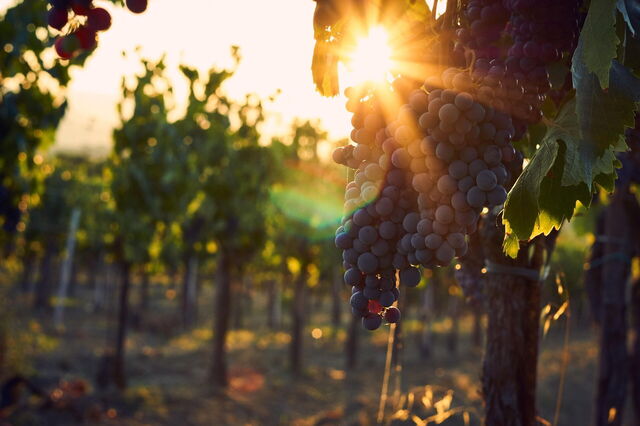
Bunch of grapes

Sangiovese and other grape varieties grown in the Mugello region

The Mugello wine scene is diverse and reflects both Tuscan tradition and some recent developments linked to the climate and the territory. The grape varieties grown here clearly illustrate this balance between historical roots and new sensibilities.

In Mugello, Sangiovese remains the flagship grape variety, particularly in relation to the nearby Chianti Rufina area, one of the coolest subzones of Chianti. Alongside this, the local winemaking tradition also includes white varieties such as Trebbiano and Malvasia, used to produce wines with a simple profile rooted in the local terroir. There is also no shortage of international grape varieties such as Cabernet Sauvignon and Merlot, often used in red blends, which help lend structure and complexity to the various wines produced by local wineries.

Within this context, some wineries in the region are also showing a growing interest in varieties more suited to cooler climates, which are being tested and adapted to the Apennine terrain.

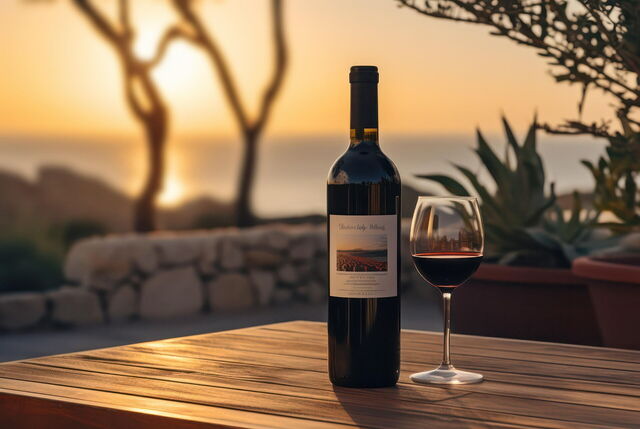
A glass of wine at sunset

Aperitifs in Mugello: Bars and Places to Go Out at Night

After exploring the Mugello region and its wines, the best way to truly understand this place is to soak up its atmosphere—perhaps by sipping a glass of wine at sunset, when the Apennine landscape becomes even more enchanting.

Where can you enjoy a nice aperitif featuring local products? Here are three ideas to keep in mind:

  • Aperitif in the vineyard: during the summer months, many Mugello wineries open their doors for aperitifs right among the vine rows. It’s an experience that lets you taste the region’s wines right where they’re made, paired with local products and the glow of the sunset over the Apennines.
  • Lake Bilancino: at Lake Bilancino, near Barberino di Mugello, the aperitif takes on a more natural and relaxed atmosphere. Especially during the summer months, the area offers several scenic spots and venues where you can stop for a glass of wine or a drink, with views of the water and the surrounding hills. It’s one of the most picturesque options for those looking for a place to enjoy an aperitif in Mugello while surrounded by nature.
  • Wine Bars in Borgo San Lorenzo and Scarperia: for those who prefer a more traditional atmosphere, the wine bars in the historic center of Borgo San Lorenzo and the venues around the Palazzo dei Vicari in Scarperia are an excellent alternative. Here, you can choose from a variety of local wines, ranging from fresh whites to more full-bodied reds, paired with traditional accompaniments such as cheeses and Tuscan schiacciata (flatbread).

Mugello is not yet as well-established a wine destination as other areas of Tuscany, but it is precisely in this phase of growth and transformation that one of its most interesting characteristics lies. Amid Apennine landscapes, evolving viticulture and a growing focus on quality, the region is forging an increasingly recognizable identity, defined by fresh, balanced wines shaped by the mountain climate. It is a region that remaiApennine landscapeswine offers the most direct way to understand the landscape and its evolution.

To enjoy an unforgettable stay after savoring a glass of wine, book a Collichiari property in the heart of Mugello.

In partnership with Trading Estate Service Srl