Posted in:

Chestnuts: Autumn Treasures of the Mugello, from Traditional Recipes to Local Festivals

Publication Date  Thursday, October 2, 2025

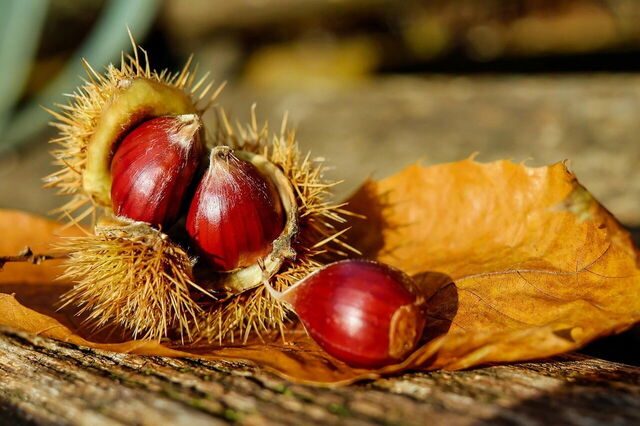
With the arrival of October, autumn also knocks on Tuscany’s door, bringing with it authentic flavors and intense aromas. Amidst the olive harvest, mushroom foraging, and the first taste of new wine, one flavor stands out above the rest: chestnuts. These small fruits, with their shiny, tough brown shells, are hidden inside spiky burrs.

A symbol of changing seasons and ancient rural traditions, chestnuts have fed entire generations, becoming known as the “bread of the poor” in mountain regions. With their sweet, earthy flavor, they tell stories of lit fireplaces, hands warming by the fire, and village festivals where the scent of roasted chestnuts mingles with the aroma of freshly pressed must. Packed with energy, chestnuts take center stage in a simple, wholesome cuisine that carries the essence of the forest and the memory of old traditions.
Chestnuts

The History of the Mugello PGI Chestnut

The story of the Mugello PGI Chestnut (Protected Geographical Indication) has roots that go back to the Middle Ages, when the chestnut tree was known as the “bread tree” for the vital role it played in feeding the populations of the Apennine mountains. Over the centuries, the fruits of this tree — especially the marroni, which are larger and sweeter than common chestnuts — became a central element of Mugello's rural economy. They were harvested by hand, slowly dried in metati (traditional stone drying houses), and then ground into sweet flour, the base for many humble yet nourishing recipes. With industrialization and the abandonment of the countryside, chestnut cultivation risked disappearing. But in recent decades, the marrone has been rediscovered and given new value. In 1996, it was awarded PGI status (Protected Geographical Indication), which safeguards its quality and origin. Today, the Mugello PGI Chestnut is a product of excellence — the result of sustainable cultivation that once again involves the younger generations, increasingly attentive to biodiversity and the revival of local traditions.

Village Festivals

Chestnut Festivals Not to Be Missed

Chestnuts — and especially marroni, a prized variety of chestnut — take center stage in Mugello during the autumn season. The main festivals in October are dedicated to this beloved fruit, where visitors can enjoy traditional local dishes — both sweet and savory — made with chestnuts.

In the Mugello area, there are numerous chestnut-themed festivals not to be missed:

  • Marradi's "Mostra Mercato del Marron Buono": Held every Sunday in October (5, 12, 19, and 26), this traditional Chestnut Festival celebrates the Mugello PGI Chestnut in the heart of the village of Marradi. Visitors can enjoy typical local flavors, artisanal products, and live music, all in a charming historic setting.
  • Chestnut and Forest Fruit Festival – Palazzuolo sul Senio: Every Sunday in October, the village of Palazzuolo sul Senio hosts its traditional Sagra del Marrone e dei Frutti del Sottobosco (Chestnut and Forest Fruit Festival). Nestled in the Tuscan-Romagna Apennines, this village welcomes autumn each year with events dedicated to local products. The festival is a great opportunity to discover and taste the Mugello PGI Chestnut — also cultivated in the surrounding forests — along with mushrooms (including the renowned Porcino Palazzuolese), truffles, and other forest fruits, both fresh and preserved.
  • Smarronando e Svinando – Firenzuola: On Sunday, October 26, in Firenzuola, visitors can enjoy chestnuts in all their forms, alongside traditional local dishes such as polenta, fritters, castagnaccio (chestnut cake), monte bianco (chestnut and cream dessert), crescentine (fried bread), and of course the classic roasted chestnuts (bruciate).
  • La Ballottata – Castagno d’Andrea (San Godenzo): This traditional autumn festival, held in the village of Castagno d’Andrea (San Godenzo), celebrates the Mugello PGI Chestnut and forest products. Taking place on Sundays, October 19 and 26, 2025, La Ballottata offers specialties such as roasted chestnuts, castagnaccio, marron-based desserts, and mulled wine. With food stands, music, performances, and outdoor activities, the event promotes the local area with a strong focus on sustainability and traditional heritage.
  • Chestnut Trekking – Palazzuolo sul Senio: For those seeking a more immersive experience, the Chestnut Trekking excursions in Palazzuolo sul Senio will be held on Sundays, October 19 and 26. These guided hikes offer a chance to explore local forests, collect marroni, and learn about the traditions of chestnut cultivation. Participants will enjoy the autumn landscape, visit historic chestnut groves, and discover harvesting and processing techniques for this iconic fruit of the region.
Chestnut cake

Chestnut-Based Specialties from the Mugello Culinary Tradition

The traditional cuisine of Mugello makes excellent use of the Mugello PGI Chestnut, a key ingredient in many dishes rooted in peasant culture and forest traditions. Among the savory preparations, we find:

  • Chestnut Polenta: Locally known as pattona, chestnut polenta is a humble yet nourishing dish, typically served with fresh ricotta or aged cheeses.
  • Necci: A rustic specialty of the Tuscan Apennines, necci are thin crêpes made from a simple batter of chestnut flour and water, cooked on hot stone plates or iron pans called testi or ferri. The result is a soft, slightly sweet flatbread, perfect for savory fillings. Traditional fillings include fresh ricotta (often from sheep’s milk), pancetta, sausage, or finely chopped cured lard (lardo battuto).
  • Chestnut-Filled Tortelli: An autumn variation of classic Tuscan tortelli. These fresh pasta parcels are filled with a chestnut purée (often made with Mugello PGI chestnuts), sometimes enhanced with grated cheese, herbs, or a hint of spice. They are usually served with melted butter and sage, or with richer sauces like meat ragù or mushrooms.
  • Sweet Flour Soup: A simple and hearty dish from the Tuscan peasant tradition, made with chestnut flour (locally known as farina dolce) and a few other humble ingredients such as onion, beans, black cabbage (cavolo nero), or chard, depending on the area and seasonal availability.
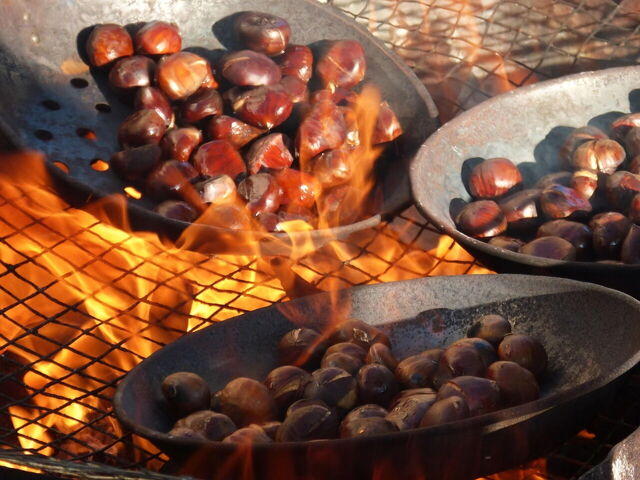
  • Boiled or Roasted Chestnuts: Known as ballotte when boiled and bruciate when roasted over an open fire, these are a must at every autumn festival.

Chestnuts are not only used in savory dishes but are also featured in many traditional desserts that tell the story of the region:

  • Castagnaccio: A traditional Tuscan dessert made with chestnut flour, enriched with raisins, pine nuts, and rosemary needles, often finished with a drizzle of extra virgin olive oil. It is one of the oldest sweets from the peasant tradition, originally a humble dish but full of flavor and history.
  • Sweet Necci: Thin crêpes made with chestnut flour, filled with a creamy mixture of fresh ricotta cheese and sugar. Traditionally cooked between two hot iron plates (called "testi") and served rolled or folded.
  • Chestnut Flour Fritters: Soft, sweet fritters made from chestnut flour and milk (or water), sometimes enhanced with pieces of apple or raisins for added sweetness and texture. Fried until golden and usually served dusted with sugar. Perfect as a snack or dessert, they are one of the tastiest ways to enjoy chestnut flour.
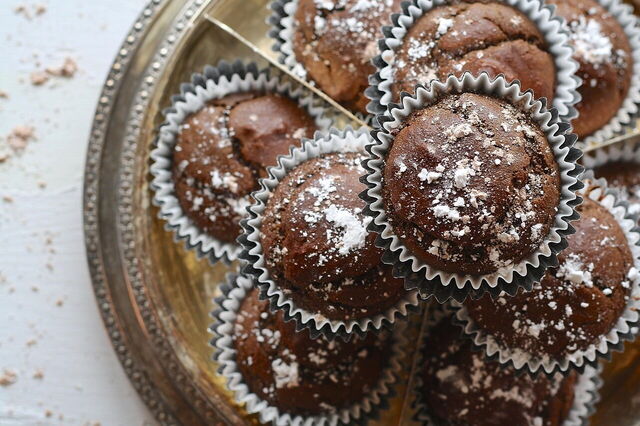
  • Chestnut Cake (Torta di Marroni): A rich and indulgent dessert made with chestnut purée, dark chocolate, butter, and in some variations, flavored with liqueurs such as alchermes or rum. With a soft, velvety texture—almost like a spoon dessert—it’s ideal for those who love bold, autumnal flavors. Often served with a dusting of powdered sugar or a dollop of whipped cream.
  • Chestnut Jam: One of the most typical preserves of the Mugello autumn season, made by cooking chestnuts with sugar until a dense, fragrant cream is obtained. Perfect for spreading on bread or toast, or for use as a filling in pies, cookies, and other baked goods.

Chestnuts — and in particular the Mugello PGI Chestnut — are not just an ingredient, but a true cultural and identity symbol of the Tuscan territory. From ancient peasant recipes to village festivals, from the scent of autumn forests to the hands that still harvest chestnuts with care and passion, every detail tells the story of a deep connection between nature, history, and tradition. Visiting Mugello in October means immersing yourself in an authentic experience made of genuine flavors, landscapes painted in gold and red, and communities that proudly preserve their roots. It’s a journey through chestnut groves and steaming dishes that warms the heart — just like a handful of freshly roasted chestnuts between your hands.

For a stay that combines the discovery of the region’s traditional flavors with the relaxation of a place surrounded by nature, explore Collichiari properties to find the perfect lodging for your needs.

In partnership with Trading Estate Service Srl