Posted in:

Unusual Places to Discover: The Mugello You Don’t Expect

Publication Date  Tuesday, November 5, 2024

Mugello is best known for its famous racetrack, but it’s also a region full of unique and fascinating spots worth discovering. If you’re looking for a Mugello experience beyond the typical tourist paths, here are a few lesser-known yet captivating stops you absolutely can’t miss.


1. LA VIA DEL LATTE

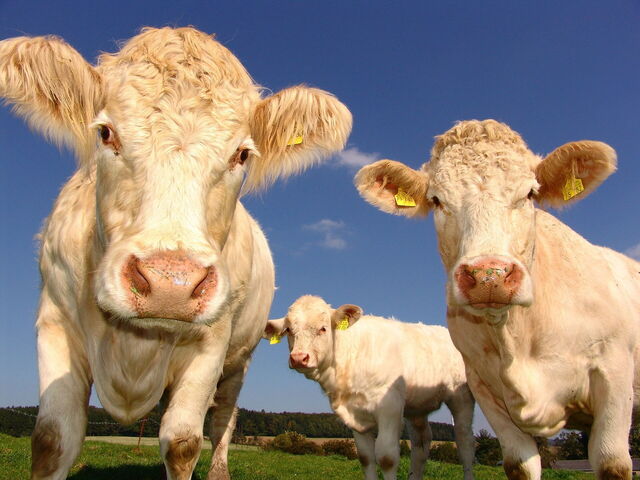
If you love food and wine tourism, exploring some of Mugello’s farms is a one-of-a-kind experience you simply shouldn’t miss! Driving along Mugello’s roads, you’ll notice signs for "La Via del Latte" (The Milk Road); this fertile region is home to numerous farms and dairies specializing in cattle breeding.

Among them, Palagiaccio stands out, renowned for producing and selling yogurt, cheese, and an array of dairy products, distributed not only in Florence but also across Tuscany. Palagiaccio even has its own shop where you can enjoy ice cream made with milk from their own cows. Besides Palagiaccio, there are many other farms in the area just waiting to be discovered! A great way to get to know them is the "Caseifici aperti" (Open dairies) event, held each year in September, which promotes this vital part of Mugello’s economy.
2. VIALE DI PANNA

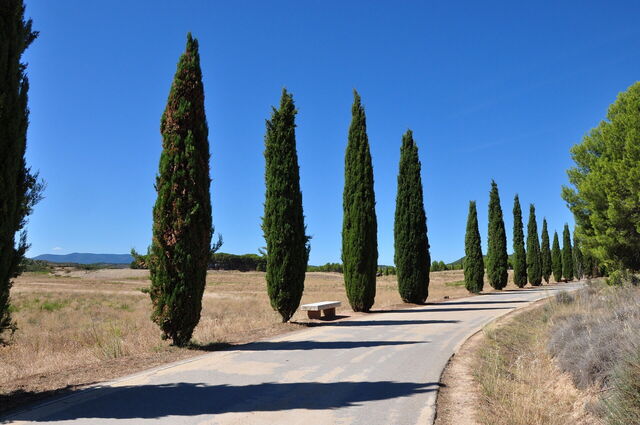
One of the most iconic landscapes in the Mugello Valley is the cypress-lined Viale di Panna, which rivals the famous cypress avenue of Bolgheri. It stretches about two kilometers along Provincial Road 39, flanked by majestic century-old cypress trees. This road links the town of Galliano to the village of Panna, home to the well-known Panna spring. Unlike Bolgheri, which has become a well-known destination and increasingly crowded in recent years, Viale di Panna offers a quieter, unspoiled corner where you can savor Tuscany’s timeless beauty—perfect for discovering the region’s enchanting landscapes.


3. IL PASSO DELLA FUTA AND THE GERMAN MILITARY CEMETERY

At an elevation of about 900 meters in the Tuscan-Emilian Apennines, Passo della Futa is one of the most scenic routes linking Florence to Bologna. In addition to offering spectacular views, the pass is known for the Futa German Military Cemetery, one of Italy’s largest. This memorial site holds the remains of over 30,000 German soldiers who died during WWII along the Gothic Line, one of the Nazis’ final defenses in Italy. The cemetery was designed entirely in Firenzuola stone by German architect Dieter Oesterlen (1911–1994) and is the largest memorial in Italy created by the Volksbund Deutsche Kriegsgräberfürsorge, the German War Graves Commission. Its architecture features a spiral design that follows the mountain, stopping at a pyramid wall rising skyward. The graves are marked by 16,000 granite plaques, each engraved with the names of two soldiers. This evocative site is a must-see for history enthusiasts.

4. LA VIA DEGLI DEI

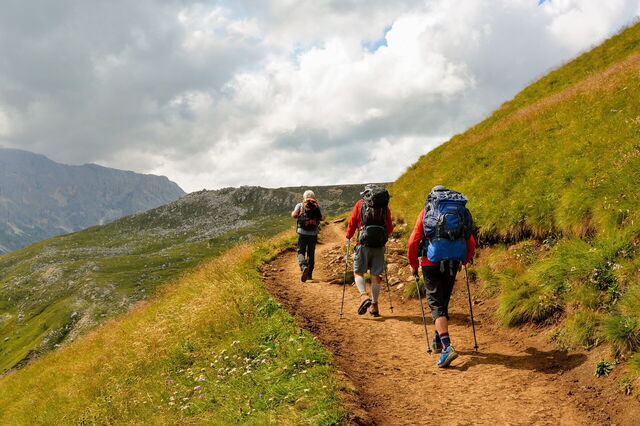
A favourite route amongst hiking enthusiasts, La Via degli Dei (Way of the Gods) is a 130-kilometer trail that crosses the Tuscan-Emilian Apennines, linking Bologna to Florence.

This path was historically used by the Etruscans to facilitate trade and assert control over the Po Valley, and later by the Romans, who built the Flaminia Militare road here in 187 BC. In the Middle Ages, the route became a simple footpath for travelers crossing the Apennines. In the 1980s, a group of Bolognese hikers revived the Via degli Dei, creating a hiking route that largely follows these ancient trails.

The name "Via degli Dei" comes from the localities and mountains along the route, such as Monte Adone (Adonis), Monte Luario (Lua), Monzuno (from "Mountain of Jupiter"), and Monte Venere (Venus). The journey can be completed on foot in 4–6 days or by bike in 2–3 days, depending on fitness level and preference. In recent years, La Via degli Dei has grown in popularity throughout Italy, becoming a favorite trekking route. But be warned: the trail is divided into stages that can reach up to 30 kilometers a day with challenging elevations, so travelers should arrive physically prepared and plan each stage based on their training level. This route will treat you to incredible landscapes as you journey through diverse terrains, from cities to villages, castles, and lush natural scenery, gradually leading back into the city.

5. THE WATERMILLS OF MUGELLO

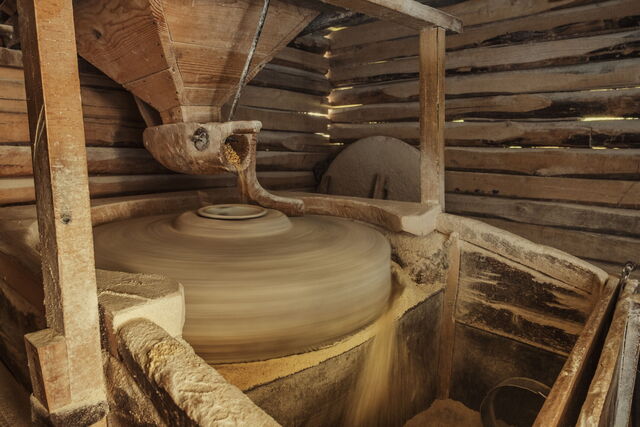
Watermills were widespread in Mugello as early as the Middle Ages, mainly used to grind grains like wheat, corn, and dried chestnuts, along with barley and oats to feed livestock. Mugello is still home to many visitable watermills, offering valuable insights into local history and traditions. Exploring these old mills is an enriching experience for both adults and children. Noteworthy mills include:

  • The Ancient Margheri Mill, located in Madonna dei Tre Fiumi, which has been in operation since before the 1000s and is still used to grind chestnut flour.
  • Faini Mill in Grezzano, near Casa d’Erci, dates back to the 1400s and is now a museum showcasing the rural life and farming traditions of the area.
  • Parrini Mill in Sant’Agata, dating to the 16th century, has been restored by an association and still produces bread and flatbreads.


6. CASA D'ERCI RURAL LIFE MUSEUM

For an authentic experience that will take you back in time, a visit to Casa d'Erci in Grezzano (Borgo San Lorenzo) is essential. This two-story farmhouse, set amid the green hills of Mugello, is now a museum and workshop dedicated to preserving the memory of the ancient rural world of the Tuscan-Romagnolo Apennines. This museum is the result of the passion and tireless work of the Gruppo d’Erci volunteers, who have spent nearly 40 years preserving the history, values, and knowledge of this land and its people so they won’t be forgotten. Prepare for an immersive journey into the history of rural life: you’ll find traditional tools and machinery for grape and wine processing, grain farming equipment, and the tools of masons and blacksmiths, along with items related to daily life (school objects, dishes, and pots). The exhibition originated from a display organized in the 1970s in a Mugello school, where objects from rural tradition were collected. The exhibit’s success led to the decision to preserve it all, turning it into this delightful little museum. Sometimes, the best things come about by chance!

In partnership with Trading Estate Service Srl